Let me tell you something that most CSS content will not.
The CSS preparation industry in Pakistan is built around Lahore, Islamabad, and Karachi. The advice, the recommended academies, the study groups, the mock exam sessions, the toppers willing to give you an hour of their time: all of it clusters in these three cities. Every other aspirant, from Sargodha to Sukkur to Zhob to Chitral, is working with information and resources that were designed for a different reality than theirs.
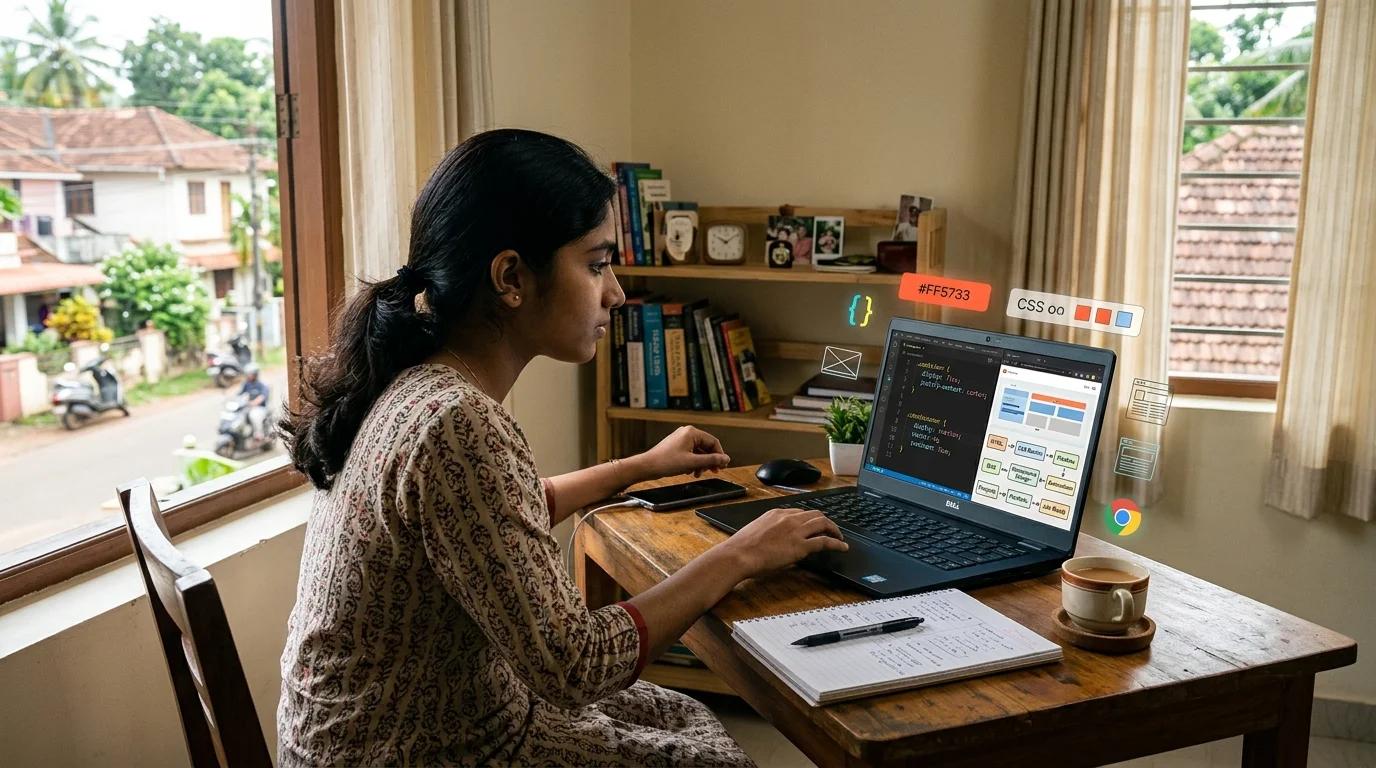
This roadmap is built for the student who cannot relocate, cannot afford a big-city academy, and is preparing from a city where the local CSS academy, if one exists at all, may not have the faculty depth to cover all 12 optional subjects properly.
Your geography is not your limitation. What you do with it is.
The Honest Starting Point: What Small City Students Are Actually Up Against
Before the roadmap, name the real challenges, because generic CSS advice ignores them entirely.
Academy access is limited. Cities like Okara, Dera Ghazi Khan, Khuzdar, Larkana, and Skardu have few or no reputable CSS academies. The ones that exist often cannot cover optional subjects beyond the most common three or four.
Peer pressure and study environment are harder to manage. In Lahore, an aspirant is surrounded by others preparing for CSS. The social environment reinforces the habit. In a small city, the aspirant is often the only person in their circle attempting it, which makes it psychologically harder to sustain.
Access to books can be limited. Specialist CSS books are available in Urdu Bazaar Lahore and similar markets. They reach smaller cities later, cost more with transport, and go out of stock faster.
Study groups rarely exist. Much of the real preparation advantage in CSS comes from peer learning: debating essay arguments, challenging each other on Current Affairs, getting feedback on written answers. This is harder to replicate when no one around you is preparing.
None of these are insurmountable. Each has a specific solution.
Phase 1: Foundation (Months 1 to 3)
The single most important first action: choose your optional subjects using data, not gut feel.
This matters more for small-city students than for big-city ones. Why? Because an academy student in Lahore can switch optional subjects at the two-month mark and still access the faculty for their new subject. A student in Bahawalpur who realises three months in that they chose wrong has far less flexibility to recover.
Make this decision once, correctly, at the start. The CSSNorthstar assessment uses six years of FPSC result data to match your academic background, domicile quota, and subject strengths to the combination most likely to perform for someone with your profile. This is particularly valuable for aspirants outside the big cities who do not have a topper network to consult.
With optional subjects locked in, Phase 1 focuses on two things only: English and Current Affairs. These are the foundation of the entire exam. Without daily English reading and writing, and without a current affairs habit established early, nothing else works properly.
Daily English habit: Read one Dawn editorial. Summarise it in 150 words in your own words immediately after reading. This builds comprehension, vocabulary, and writing speed simultaneously.
Current Affairs habit: Read Dawn or The News daily. Keep a simple notebook with one page per major topic: CPEC, Kashmir, Afghan situation, Pakistan-IMF relationship, climate policy, and so on. Update each page as news develops rather than creating separate notes for each day.
Book procurement in phase 1: Order your core books immediately. Do not wait. Books from Urdu Bazaar Lahore can be ordered via trusted online sellers. For PDF resources, CSSForum.com.pk has a comprehensive free library of past papers and notes. Use it.
Phase 2: Subject Study (Months 4 to 9)
With your foundation habits in place, add structured optional subject study. Rotate through your subjects weekly so no subject goes cold.
For compulsory subjects, a sequence that works:
Pakistan Affairs first: the most overlap with Current Affairs and the most stable syllabus. Notes built here feed directly into your Essay and Current Affairs papers.
General Science and Ability next: the most purely learnable of the compulsory subjects. Past papers from 2016 onward show clear question patterns. Prepare the syllabus topics, solve past MCQs, and do not overprepare this one at the expense of others.
Islamiyat: requires understanding of concepts and their modern application, not memorisation of verses. Look at how recent CSS papers have framed questions and prepare accordingly.
English Essay and Precis last, but practice daily throughout. The essay is not a subject you can prepare in a defined period. It is a skill you develop over months.
Replacing the academy study group: This is where small-city aspirants need to be creative. Two solutions that work:
Join CSSForum.com.pk and participate actively in discussion threads. This is the largest community of CSS aspirants in Pakistan and provides the closest thing to a peer group available digitally.
Find one or two fellow aspirants online, even from other cities, and form a small accountability group over WhatsApp. Share one written answer per week each. Read each other's work. This simple exchange provides more useful feedback than most classroom sessions.
Phase 3: Answer Writing and Mock Preparation (Months 10 to 12)
All preparation leads here. Nothing matters in the exam except what you write on the day.
Set aside one full day per week to simulate exam conditions. Take one paper, set a three-hour timer, write your answers, and stop when the timer ends. Do not look at your notes mid-exam. The purpose is to find where your time management breaks and where your knowledge gaps create blank pages.
Review your answers the next day. Where did you run out of time? Where did you have nothing to write? Those are the gaps to close in the remaining weeks.
The domicile quota reality for small-city students: One factor that big-city CSS content almost never discusses is that your domicile significantly affects your allocation chances by subject combination. A Balochistan domicile candidate faces different seat competition than a Punjab candidate for the same service group. The CSSNorthstar assessment factors in your domicile and province-wise allocation data from 2020 to 2025, giving you a realistic picture of where you stand for your target allocation, not a generic national average.
The Resources That Cost Nothing
For aspirants in cities where book access is limited and academy fees are out of reach, here is an honest list of free resources that serious CSS candidates actually use:
FPSC official website (fpsc.gov.pk): The official syllabus, past papers, and examiner reports. The examiner reports are particularly valuable and almost no one reads them.
CSSForum.com.pk: The largest CSS community in Pakistan. Notes, past papers, discussion threads going back years.
Dawn.com: Free access to the daily newspaper, editorials, and Herald magazine content. This is your Current Affairs source.
YouTube: Several CSS toppers have made detailed preparation guides. The quality varies but the content is free.
Project Syndicate (project-syndicate.org): Free international analysis on economics, geopolitics, and governance. Reading this for three months transforms how you write.
The one paid resource worth every rupee: The CSSNorthstar assessment and personalised strategy report. For a small-city aspirant who cannot consult a topper network or access faculty who know the data, this report does what no free resource can: it matches your specific profile to six years of FPSC results and tells you which subject combination is actually likely to work for someone with your background and domicile.
Your city does not determine your outcome. Your system does. Start building yours here.
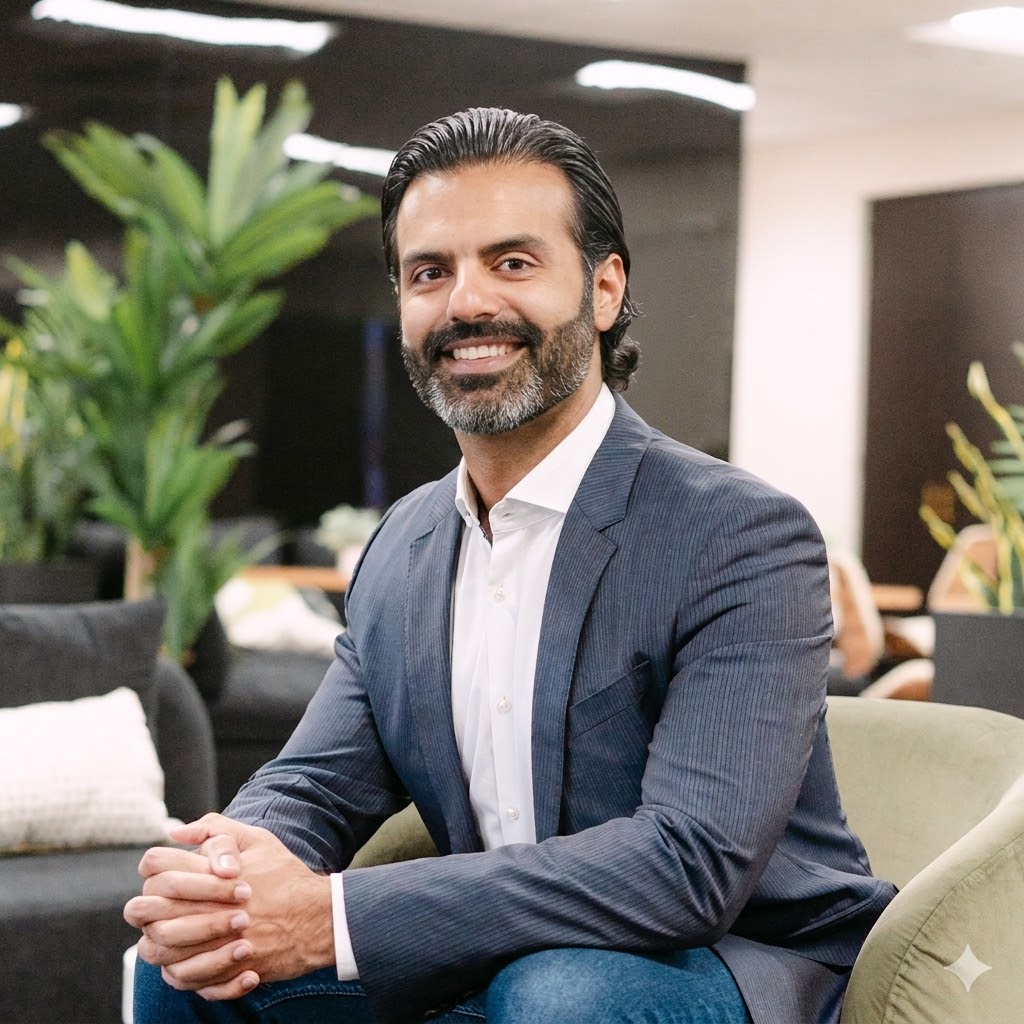
Sheharyar Ahmad
Founder, CSSNorthstar
Sheharyar Ahmad graduated from LUMS with BSc. (Hons.) in 2010 and topped the CSS Exam 2012 on his first attempt. He is an officer of the Pakistan Administrative Service, having served in Gilgit-Baltistan, Punjab, and Federal governments. He was awarded the Fulbright Scholarship to pursue a Master in Public Policy and Data Analytics from USA in 2022.